
.png)
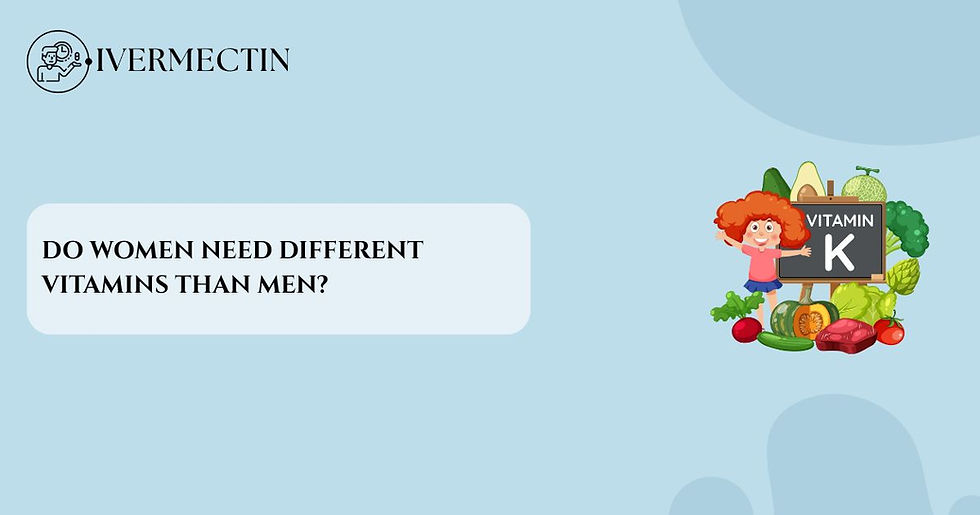
Do Women Need Different Vitamins Than Men?

Vitamins and minerals play an essential role in overall health, immunity, energy production, bone strength, and hormone balance. But many people often ask: Do women need different vitamins than men? The answer is yes. Men and women have different biological functions, hormonal changes, body compositions, and health risks, which means their nutritional requirements are also different.
Women experience menstruation, pregnancy, menopause, and hormonal fluctuations throughout life. Because of these changes, women often require higher amounts of certain nutrients such as iron, calcium, folic acid, and vitamin D. Men, on the other hand, may require more nutrients that support muscle mass and heart health.
In this complete guide by Take Ivermectin™, we will explain the differences between men’s and women’s vitamins, the most important nutrients for women, common deficiencies, and how to choose the best supplements for optimal health.
Why Women Need Different Vitamins Than Men
Women’s bodies go through several stages that affect nutritional demands. Hormonal changes influence metabolism, bone density, blood production, reproductive health, and skin condition. Because of this, women may need targeted supplementation.
Main Reasons Women Need Different Vitamins
Menstruation causes iron loss
Pregnancy increases folic acid and calcium needs
Menopause affects bone density
Hormonal changes impact energy and mood
Women are more prone to osteoporosis and anemia
Men generally need higher calorie intake and more nutrients supporting muscle development, while women often need nutrients for reproductive and bone health.
Important Vitamins and Minerals for Women
1. Iron
Iron is one of the most important nutrients for women, especially during reproductive years. Monthly menstrual cycles can reduce iron levels, leading to fatigue and anemia.
Benefits of Iron
Supports healthy red blood cells
Improves oxygen transport
Reduces tiredness and weakness
Helps prevent iron deficiency anemia
Best Food Sources
Spinach
Red meat
Lentils
Beans
Fortified cereals
Women aged 19–50 generally require more iron than men.
2. Calcium
Women are at greater risk of osteoporosis as they age, particularly after menopause. Calcium helps maintain strong bones and teeth.
Benefits of Calcium
Strengthens bones
Supports muscle function
Helps nerve signaling
Reduces osteoporosis risk
Calcium-Rich Foods
Milk
Yogurt
Cheese
Almonds
Leafy greens
Combining calcium with vitamin D improves absorption.
3. Vitamin D
Vitamin D supports immune health, bone strength, and mood regulation. Many women are deficient in vitamin D due to indoor lifestyles and limited sun exposure.
Benefits of Vitamin D
Improves calcium absorption
Supports immunity
Enhances mood and mental wellness
Maintains bone density
Natural Sources
Sunlight
Fatty fish
Egg yolks
Fortified dairy products
4. Folic Acid
Folic acid is essential for women of childbearing age. It supports healthy fetal development and prevents neural tube defects during pregnancy.
Benefits of Folic Acid
Supports pregnancy health
Helps DNA formation
Promotes healthy cell growth
Prevents birth defects
Best Sources
Citrus fruits
Leafy greens
Beans
Avocados
5. Vitamin B12
Vitamin B12 helps maintain nerve health and energy production. Women following vegetarian or vegan diets may be more likely to develop deficiencies.
Benefits of Vitamin B12
Supports brain function
Improves energy
Helps red blood cell production
Supports metabolism
6. Magnesium
Magnesium supports muscle relaxation, sleep quality, and hormone balance.
Benefits of Magnesium
Reduces muscle cramps
Supports sleep
Helps regulate blood sugar
May reduce PMS symptoms
Do Men and Women Need Different Multivitamins?
Yes, many multivitamins are specifically designed according to gender-based nutritional needs.
Women’s Multivitamins Usually Contain
Higher iron
More calcium
Folic acid
Vitamin D
Biotin for hair and skin
Men’s Multivitamins Usually Focus On
Muscle support nutrients
Heart health
Lower iron content
Higher zinc and magnesium
Choosing the correct multivitamin helps support overall wellness more effectively.
Common Vitamin Deficiencies in Women
Women are more likely to experience certain nutrient deficiencies because of hormonal changes, pregnancy, dieting, or aging.
Most Common Deficiencies
Iron deficiency
Vitamin D deficiency
Calcium deficiency
Vitamin B12 deficiency
Magnesium deficiency
Symptoms of Vitamin Deficiency
Fatigue
Hair loss
Weak bones
Mood swings
Poor immunity
Muscle cramps
If symptoms continue, professional medical advice and blood testing may help identify deficiencies.
Best Vitamins for Women at Different Ages
Vitamins for Women in Their 20s
Women in their 20s benefit from nutrients supporting energy, skin health, and reproductive wellness.
Recommended Nutrients
Iron
Vitamin B complex
Folic acid
Omega-3 fatty acids
Vitamins for Women in Their 30s
This stage often includes pregnancy planning, career stress, and busy lifestyles.
Recommended Nutrients
Calcium
Vitamin D
Magnesium
Prenatal vitamins if needed
Vitamins for Women Over 40
Hormonal changes become more noticeable after 40.
Important Supplements
Calcium
Vitamin D
Collagen
Antioxidants
Vitamins for Women Over 50
Post-menopause women require extra bone and heart support.
Key Nutrients
Calcium
Vitamin D
Vitamin B12
Magnesium
Are Women’s Vitamins Safe for Men?
Women’s vitamins are generally not harmful to men, but they may not provide ideal nutritional balance. For example, women’s multivitamins often contain more iron, which men usually do not require in high amounts.
Men should ideally choose supplements specifically formulated for their health needs.
Can Women Get Enough Vitamins Through Diet Alone?
A healthy balanced diet can provide many essential nutrients. However, some women may still require supplements due to:
Pregnancy
Vegetarian or vegan diets
Medical conditions
Poor nutrient absorption
Aging
Restricted calorie intake
Supplements should support—not replace—a healthy diet.
Natural Ways to Improve Vitamin Intake
Eat Nutrient-Dense Foods
Focus on fruits, vegetables, whole grains, lean protein, and healthy fats.
Spend Time in Sunlight
Natural sunlight helps the body produce vitamin D.
Stay Hydrated
Proper hydration supports nutrient transport and metabolism.
Exercise Regularly
Physical activity improves bone and muscle health.
Reduce Processed Foods
Highly processed foods may reduce nutrient quality in the diet.
How to Choose the Best Women’s Vitamins
Choosing high-quality supplements is important for safety and effectiveness.
Tips for Selecting Supplements
Choose trusted brands
Check ingredient labels
Avoid unnecessary fillers
Select age-specific formulas
Look for third-party testing
At Take Ivermectin™, health education and wellness awareness are prioritized to help readers make informed decisions about supplements and overall nutrition.
Women’s Vitamins and Hormonal Health
Hormones influence mood, metabolism, skin health, sleep, and reproductive wellness. Certain nutrients help support hormonal balance naturally.
Helpful Nutrients for Hormone Support
Magnesium
Vitamin D
Omega-3 fatty acids
B vitamins
Balanced nutrition can support healthy hormonal function and improve overall wellbeing.
Signs You May Need Vitamin Supplements
You may benefit from vitamins if you experience:
Constant fatigue
Frequent illness
Brittle nails
Hair thinning
Poor concentration
Weak bones
Low energy levels
A healthcare provider can help determine the right supplements based on individual needs.
Final Thoughts
So, do women need different vitamins than men? In many cases, yes. Women have unique nutritional requirements because of hormonal changes, reproductive health, menstruation, pregnancy, and menopause. Nutrients like iron, calcium, folic acid, vitamin D, and magnesium are especially important for women’s overall health.
A balanced diet remains the best source of vitamins and minerals, but supplements may help fill nutritional gaps when needed. Understanding gender-specific nutrition can help improve energy, immunity, bone strength, and long-term wellness.
At Take Ivermectin™, we aim to provide updated health information and wellness education to help readers make smarter health decisions every day.
FAQs About Women’s Vitamins
Do women need more vitamins than men?
Women do not always need more vitamins, but they often require different amounts of nutrients like iron and calcium.
Why do women need more iron?
Women lose blood during menstruation, increasing the risk of iron deficiency.
What is the best vitamin for women?
There is no single best vitamin, but vitamin D, calcium, iron, and folic acid are very important.
Can women take men’s multivitamins?
Women can take them occasionally, but women-specific formulas are usually more suitable.
At what age should women start taking vitamins?
Women may benefit from vitamins at different life stages depending on diet, health conditions, and lifestyle.
Are natural food sources better than supplements?
Whole foods are generally the best source of nutrients, but supplements can help fill deficiencies.
Do women need vitamin D daily?
Many women benefit from regular vitamin D intake for bone and immune health.
Can vitamins improve women’s energy levels?
Yes, correcting nutrient deficiencies may improve energy and reduce fatigue.


Comments