

Dynapres 0.4 mg: Tamsulosin Uses for BPH Symptoms

Dynapres 0.4 mg is a prescription medicine containing tamsulosin, used to relieve urinary problems caused by an enlarged prostate. This condition, called benign prostatic hyperplasia (BPH), becomes more common with age and can make urination difficult or uncomfortable. Tamsulosin relaxes certain muscles around the prostate and bladder outlet, helping urine flow more easily. It may reduce symptoms such as a weak urine stream, difficulty starting urination, and frequent nighttime bathroom visits. However, it does not shrink the prostate or cure the underlying condition. This guide explains Dynapres 0.4 mg uses, expected benefits, correct administration, side effects, and important safety precautions.

What Is Dynapres 0.4 mg and How Does It Work?
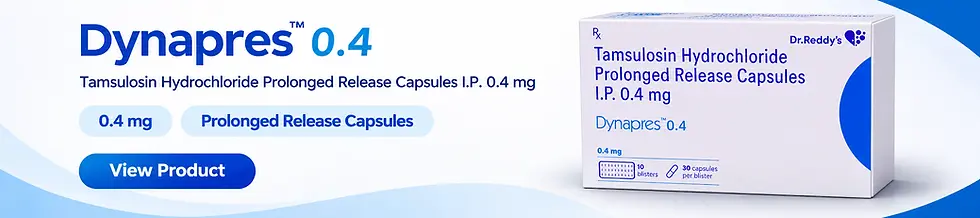
Dynapres 0.4 mg is a prolonged-release capsule containing tamsulosin hydrochloride 0.4 mg.
It is marketed in India by Torrent Pharmaceuticals Limited.
The official Torrent Pharmaceuticals Dynapres prescribing information confirms its composition and use for symptoms of benign prostatic hyperplasia.
Prolonged release means the capsule is designed to release the medicine gradually.
What Type of Medicine Is Tamsulosin?
Tamsulosin belongs to a group called alpha-1 adrenergic blockers, often shortened to alpha-blockers.
These medicines relax certain muscles.
In the urinary system, tamsulosin acts mainly on muscles around the prostate and bladder neck.
Relaxing these muscles reduces resistance to urine flow, making it easier to empty the bladder.
Dynapres is not an antibiotic, painkiller, or medicine intended to treat high blood pressure.
How Does Dynapres 0.4 mg Help BPH Symptoms?
Dynapres 0.4 mg helps relieve urinary symptoms caused by an enlarged prostate.
The prostate is a small gland located below the bladder. It surrounds part of the urethra, the tube that carries urine out of the body.
When the prostate enlarges, it may press against the urethra and make urination more difficult.
Which Symptoms May Improve?
Tamsulosin may help reduce:
Difficulty starting urination
Weak or interrupted urine flow
Straining while passing urine
The feeling that the bladder has not emptied completely
Frequent or urgent urination
Waking repeatedly at night to urinate
The NHS guidance on enlarged prostate symptoms and treatment identifies these problems and describes alpha-blockers as an established treatment option.
Does Every Urinary Problem Mean BPH?
No. Urinary symptoms can also result from bladder problems, urinary infections, prostate inflammation, or other conditions.
Prostate cancer may sometimes cause similar symptoms.
A clinician may recommend a urine test, examination, bladder assessment, or prostate-specific antigen (PSA) test when appropriate.
An accurate diagnosis is important before starting long-term treatment.
How Quickly Does Dynapres Work, and Does It Shrink the Prostate?
Some people notice easier urination within several days of starting tamsulosin.
More noticeable improvement may take a couple of weeks, while the response may continue developing over four to six weeks.
The NHS guidance on male lower urinary tract symptoms explains that improvement with alpha-blockers is often noticeable within the first few weeks.
Does Tamsulosin Reduce Prostate Size?
No. Tamsulosin relaxes muscles but does not directly reduce prostate size.
This is an important difference between tamsulosin and medicines such as finasteride or dutasteride.
Those medicines reduce the activity of a hormone involved in prostate growth and may gradually shrink the gland.
How tamsulosin differs from medicines that reduce prostate size.
Feature | Tamsulosin | Finasteride or Dutasteride |
Medicine group | Alpha-blocker | 5-alpha-reductase inhibitor |
Main action | Relaxes prostate and bladder-neck muscles | Reduces hormone-related prostate growth |
When benefits may appear | Days to weeks | Usually several months |
Shrinks the prostate | No | May reduce prostate size |
Common concern | Dizziness and ejaculation changes | Sexual side effects |
Treatment role | Relieves urinary symptoms | May reduce progression risk in selected patients |
Some people with larger prostates or a greater risk of complications may benefit from combination treatment.
However, combining medicines should follow a urologist's assessment.
Dynapres 0.4 mg can improve urine flow without shrinking the prostate. Symptom relief does not necessarily mean the underlying enlargement has disappeared, so follow-up remains important even when urination becomes easier.
How Should Dynapres 0.4 mg Be Taken?
Take Dynapres exactly as prescribed.
The manufacturer's information describes a standard adult regimen of one 0.4 mg prolonged-release capsule daily, approximately 30 minutes after the same meal.
This is general product information, not a recommendation to start or change your dose independently.
Should You Take Dynapres After Food?
Yes. The Indian Dynapres capsule information recommends taking it after the same meal each day.
Consistent timing helps maintain predictable medicine absorption.
Swallow the capsule whole with water.
Do not crush, chew, split, or open it because doing so may interfere with the prolonged-release formulation.
What if You Miss a Dose?
If you forget a dose, follow the instructions provided with your prescription.
Generally, a missed dose should not be doubled.
If treatment has been interrupted for several days, contact your prescriber before restarting because tamsulosin may need to be reintroduced cautiously.
Can You Stop Taking Dynapres When Symptoms Improve?
Do not stop without discussing it with your clinician.
Tamsulosin controls symptoms while you take it, and urinary problems may return after discontinuation.
Your doctor can review whether continued treatment, another medicine, or further investigation is appropriate.
What Are the Side Effects of Dynapres 0.4 mg?
Many people tolerate tamsulosin well, but some experience side effects.
The most important common concerns are dizziness and changes in ejaculation.
Other possible effects include headache, weakness, and a runny or blocked nose.
Why Does Dynapres Cause Dizziness?
Although tamsulosin mainly targets the urinary tract, it can also relax blood vessels.
This may cause a drop in blood pressure when standing, known as orthostatic hypotension.
You may feel light-headed after getting out of bed or standing from a chair.
If dizziness occurs, sit or lie down until it passes.
Avoid driving or operating machinery while affected.
Can Dynapres Affect Ejaculation?
Yes. Tamsulosin can reduce the amount of semen released during orgasm.
Some people notice very little semen or none at all.
These changes do not necessarily mean that erectile function has been lost.
However, they can affect sexual satisfaction or fertility planning and should be discussed with a healthcare professional if troublesome.
Possible Dynapres side effects and what action may be appropriate.
Symptom | Possible Explanation | Recommended Action |
Mild dizziness | Blood-pressure reduction | Sit or lie down; report persistent symptoms |
Headache | Medication-related effect | Discuss if troublesome |
Runny or blocked nose | Common reported side effect | Monitor and seek advice if persistent |
Reduced or absent semen | Ejaculation-related side effect | Discuss if concerning |
Fainting | Significant blood-pressure drop | Seek urgent assessment |
Painful erection that persists | Possible priapism | Seek emergency care |
Severe allergic reactions, including facial swelling and breathing difficulty, also require emergency medical attention.
What Interactions and Safety Precautions Matter?
Tamsulosin requires particular caution when combined with medicines that lower blood pressure or affect its breakdown in the body.
The DailyMed tamsulosin prescribing warnings identify important interactions and surgical precautions.
Blood Pressure and Erectile Dysfunction Medicines
Medicines such as sildenafil and tadalafil may increase the blood-pressure-lowering effect of tamsulosin.
This can cause dizziness or fainting in some patients.
Other alpha-blockers and certain blood-pressure medicines also require review.
Strong medicines that affect tamsulosin metabolism, including ketoconazole, may be unsuitable.
Tell your doctor about every medicine and supplement you use.
Why Does Cataract Surgery Matter?
Tamsulosin can cause a condition called intraoperative floppy iris syndrome during cataract or glaucoma surgery.
This affects how the iris behaves during the procedure and may make surgery more difficult.
Tell your eye surgeon if you currently take or have previously taken Dynapres.
Do not stop tamsulosin before surgery unless your treating doctors specifically advise you to.
Who Needs Additional Caution?
Tell your clinician if you have:
Previous fainting or low blood pressure
Significant liver or kidney disease
A history of severe allergic reactions
A known sulfonamide allergy
Planned cataract or glaucoma surgery
Alcohol can increase dizziness and should be avoided if it makes you light-headed.
When Should You Seek Medical Care?
Seek urgent medical attention if you cannot pass urine at all, especially when accompanied by lower abdominal pain.
Blood in the urine, fever with painful urination, or worsening urinary symptoms also requires prompt assessment.
These problems may indicate an infection, urinary retention, or another condition requiring treatment.
Seek emergency care for collapse, severe allergic swelling, difficulty breathing, or a painful erection that does not resolve.
If Dynapres has not provided meaningful improvement after several weeks, arrange a treatment review instead of increasing the dose yourself.
Conclusion
Dynapres 0.4 mg contains tamsulosin, an alpha-blocker used to relieve urinary symptoms associated with benign prostatic hyperplasia. By relaxing muscles around the prostate and bladder neck, it can make urination easier and reduce bothersome symptoms. However, it does not shrink the prostate, and improvement varies between individuals. Dizziness, reduced blood pressure, and ejaculation changes are important possible side effects.
If Dynapres has been prescribed to you, follow the recommended meal timing and swallow the capsule whole. Discuss persistent symptoms, medication interactions, or upcoming eye surgery with your doctor. Seek urgent care if you cannot urinate or experience serious reactions.
Frequently Asked Questions
1. What is Dynapres 0.4 mg used for?
Dynapres 0.4 mg contains tamsulosin and is used to relieve urinary symptoms caused by an enlarged prostate. It may improve weak urine flow, difficulty starting urination, and frequent bathroom visits. It does not cure BPH.
2. How long does Dynapres 0.4 mg take to work?
Some people notice improvement within a few days, while others need several weeks. The full response may take four to six weeks. Consult your doctor if symptoms remain troublesome or worsen.
3. Does Dynapres 0.4 mg shrink the prostate?
No. Tamsulosin relaxes muscles around the prostate and bladder outlet without directly reducing prostate size. Medicines such as finasteride or dutasteride may shrink the prostate gradually in suitable patients.
4. Should Dynapres be taken before or after food?
The Indian Dynapres prescribing information recommends taking its prolonged-release capsule approximately 30 minutes after the same meal each day. Swallow the capsule whole and follow your doctor's instructions.
5. Can Dynapres cause dizziness or low blood pressure?
Yes. Tamsulosin can lower blood pressure when standing, causing dizziness or occasionally fainting. Rise slowly from sitting or lying positions. Report persistent symptoms and seek urgent assessment after fainting.
6. Can I stop Dynapres once my urination improves?
Do not stop without medical advice. BPH symptoms may return when treatment ends because tamsulosin does not shrink the prostate. Your clinician can review whether continued medication or another approach is appropriate.


Comments