
.png)
Vitamin D and Cancer Treatment: Does It Help?

Cancer treatment often involves chemotherapy, radiation therapy, surgery, targeted therapy, and immunotherapy. Along with these treatments, many patients look for supportive nutrients that may help improve overall health and recovery. One nutrient that has gained major attention is Vitamin D.
Vitamin D is known for supporting bone health, but recent research suggests it may also play a role in immune system support, inflammation control, and cancer care. Many cancer patients are found to have low Vitamin D levels, leading researchers to study whether Vitamin D supplements may help during cancer treatment.
In this detailed guide by Take Ivermectin™, we explain the possible connection between Vitamin D and cancer treatment, its benefits, dosage, risks, food sources, and current scientific findings.
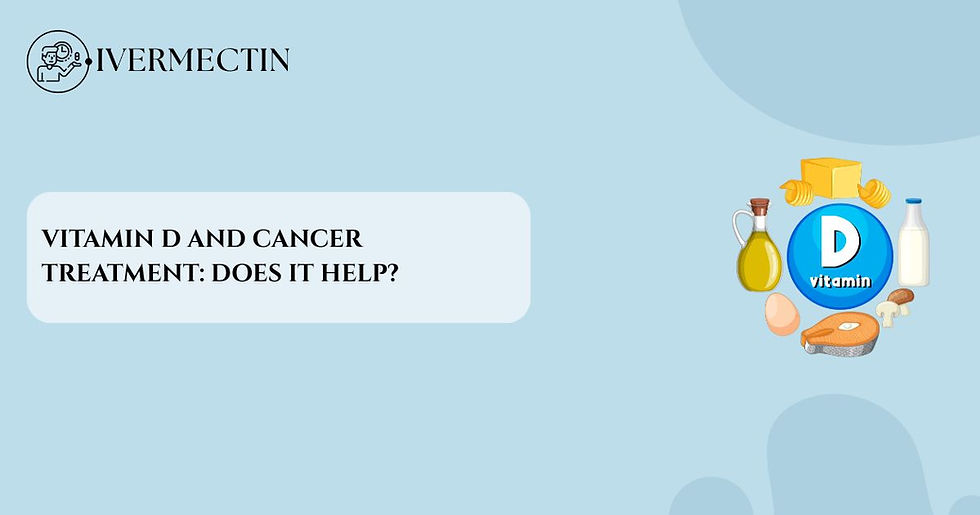
What Is Vitamin D?
Vitamin D is a fat-soluble vitamin that helps the body absorb calcium and maintain strong bones. It is produced naturally when sunlight hits the skin, and it is also available in certain foods and supplements.
There are two main forms of Vitamin D:
Vitamin D2 (Ergocalciferol)
Vitamin D3 (Cholecalciferol)
Vitamin D3 is considered more effective for increasing Vitamin D levels in the body.
Why Is Vitamin D Important for Cancer Patients?
Vitamin D helps regulate several body functions that are important during cancer treatment.
Key Functions of Vitamin D
1. Supports Immune Health
Vitamin D helps immune cells function properly. A strong immune system may help the body recover better during cancer therapy.
2. Helps Maintain Bone Strength
Cancer treatments can weaken bones. Vitamin D works with calcium to support bone density and reduce the risk of fractures.
3. May Reduce Inflammation
Chronic inflammation is linked with many diseases, including cancer. Vitamin D may help control inflammatory responses in the body.
4. Supports Muscle Function
Cancer patients often experience weakness and fatigue. Adequate Vitamin D levels may help improve muscle strength and mobility.
Vitamin D Deficiency and Cancer
Many studies have shown that Vitamin D deficiency is common in cancer patients. Low levels may occur because of:
Limited sun exposure
Poor nutrition
Chemotherapy side effects
Digestive problems
Reduced appetite
Chronic illness
Symptoms of Vitamin D Deficiency
Fatigue
Bone pain
Muscle weakness
Low mood
Frequent infections
Weak immunity
Doctors may recommend a blood test called the 25-hydroxy Vitamin D test to measure Vitamin D levels.
Does Vitamin D Help Cancer Treatment?
Research on Vitamin D and cancer treatment is still ongoing. Scientists are studying whether maintaining healthy Vitamin D levels may improve outcomes in some cancer patients.
Possible Benefits of Vitamin D in Cancer Care
1. Immune System Support
Vitamin D may help immune cells recognize and respond to abnormal cells more effectively.
2. Better Treatment Tolerance
Some studies suggest patients with normal Vitamin D levels may tolerate chemotherapy better.
3. Reduced Fatigue
Vitamin D supplementation may help reduce tiredness and weakness linked with cancer therapy.
4. Improved Bone Health
Patients receiving hormone therapy or steroids may benefit from Vitamin D support for bone protection.
5. Possible Survival Benefits
Certain studies suggest higher Vitamin D levels may be associated with improved survival in some cancers, although more research is needed.
Types of Cancer Studied with Vitamin D
Researchers have explored Vitamin D’s role in several cancers, including:
Breast cancer
Colon cancer
Prostate cancer
Lung cancer
Pancreatic cancer
Blood cancers
Some studies show promising results, while others remain inconclusive. Vitamin D should not replace standard cancer treatment.
Vitamin D During Chemotherapy and Radiation
Many patients ask whether Vitamin D is safe during chemotherapy or radiation therapy.
In most cases, doctors may recommend Vitamin D supplements if blood levels are low. However, dosage should always be guided by a healthcare provider.
Potential Benefits During Treatment
Supports energy levels
Helps bone strength
Supports immunity
May improve recovery
Helps maintain overall health
Best Food Sources of Vitamin D
Getting Vitamin D naturally from food can support overall wellness.
Vitamin D Rich Foods
Fatty fish (salmon, tuna, sardines)
Egg yolks
Fortified milk
Fortified cereals
Cheese
Mushrooms exposed to sunlight
Sunlight exposure also helps the body naturally produce Vitamin D.
Vitamin D Supplements for Cancer Patients
Supplements may be useful for patients with deficiency.
Common Supplement Forms
Vitamin D3
Most commonly recommended due to better absorption.
Combination Supplements
Some products combine Vitamin D with calcium or magnesium.
Recommended Vitamin D Dosage
Vitamin D dosage depends on:
Age
Blood levels
Medical condition
Type of cancer treatment
Overall health
General maintenance doses may range from 600 IU to 2000 IU daily, but some patients with severe deficiency may need higher doses under medical supervision.
Never self-medicate with high-dose Vitamin D without medical advice.
Risks of Too Much Vitamin D
Excessive Vitamin D intake can cause toxicity.
Signs of Vitamin D Toxicity
Nausea
Vomiting
Kidney stones
Confusion
High calcium levels
Frequent urination
Always follow professional guidance before taking supplements.
Latest Research on Vitamin D and Cancer
Recent studies continue to explore the connection between Vitamin D and cancer prevention or survival.
Research Areas Include
Vitamin D and tumor growth
Immune response improvement
Cancer recurrence reduction
Survival rates
Quality of life during treatment
While findings are encouraging, experts agree that Vitamin D is supportive care and not a cure for cancer.
How to Maintain Healthy Vitamin D Levels
Simple Tips
Spend limited safe time in sunlight
Eat Vitamin D-rich foods
Take supplements if prescribed
Get regular blood tests
Maintain a balanced diet
Stay physically active when possible
Vitamin D and Overall Wellness During Cancer Recovery
Cancer recovery often requires proper nutrition, emotional support, hydration, and healthy lifestyle habits. Vitamin D may help support overall wellness as part of a complete care plan.
At Take Ivermectin™, we believe patients should stay informed about supportive nutrition, immune health, and wellness strategies that may help improve quality of life during treatment and recovery.
Can Vitamin D Prevent Cancer?
Some studies suggest maintaining healthy Vitamin D levels may lower the risk of certain cancers, especially colorectal cancer. However, evidence is not strong enough to confirm Vitamin D as a cancer prevention treatment.
Healthy lifestyle habits remain important:
Balanced diet
Exercise
Avoid smoking
Limit alcohol
Regular health screenings
Who May Need Vitamin D Testing?
Testing may be recommended for:
Cancer patients
Older adults
People with weak bones
Individuals with limited sunlight exposure
Patients with digestive disorders
People with fatigue and weakness
Final Thoughts
Vitamin D plays an important role in bone health, immune support, and overall wellness. Research suggests it may also support some aspects of cancer care, especially in patients with Vitamin D deficiency.
Although Vitamin D is not a cure for cancer, maintaining healthy levels may help improve strength, recovery, and quality of life during treatment. Patients should always speak with a healthcare professional before starting supplements, especially during chemotherapy or radiation therapy.
Take Ivermectin™ continues to provide updated health information to help readers better understand nutrition, wellness, and supportive care options.
FAQs About Vitamin D and Cancer Treatment
1. Does Vitamin D help cancer treatment?
Vitamin D may support immune health, bone strength, and overall wellness during cancer treatment, but it is not a cure for cancer.
2. Can cancer patients take Vitamin D supplements?
Many cancer patients can take Vitamin D supplements if recommended by their doctor after blood testing.
3. What are the signs of Vitamin D deficiency?
Common signs include fatigue, muscle weakness, bone pain, and low immunity.
4. Is Vitamin D safe during chemotherapy?
Vitamin D is generally safe in recommended doses, but patients should consult their healthcare provider.
5. Which Vitamin D is best?
Vitamin D3 is commonly preferred because it is better absorbed by the body.
6. Can Vitamin D reduce cancer risk?
Some studies suggest Vitamin D may lower the risk of certain cancers, but more research is needed.
7. How much Vitamin D should cancer patients take?
Dosage varies depending on blood levels and medical condition. A doctor should guide supplementation.
8. What foods contain Vitamin D?
Fatty fish, egg yolks, fortified milk, mushrooms, and cereals are good sources.


soicauxsmb24.com nói thật lúc đầu mình hơi nghi nghi kiểu lại thêm một trang chữ nghĩa cho vui, nhưng lướt mấy phút lúc đang ngồi chờ việc thì thấy cũng gọn gàng phết, họ để tiêu đề theo đúng ngày “Soi cầu MB ngày 3 9 2026” khá lộ nên mình không phải căng mắt tìm hôm nay là ngày nào, nhìn cái là hiểu ngay đang nói phiên nào. Nội dung cũng đi theo kiểu giải thích ngắn trước, kiểu soi cầu XSMB là thống kê kết quả quay trước rồi mới kéo sang phần dự đoán, đọc lướt vẫn bắt kịp. Chữ chia khối rõ. Cuộn xuống không rối. Mấy heading theo ngày và các box nội dung…