
.png)
Can Ivermectin Be Taken on Consecutive Days? What Patients Should Know

Updated: Aug 24
Many people assume that taking a medication more frequently will help it work faster. However, that's not how prescription medicines work. In fact, taking extra doses without medical advice may reduce treatment effectiveness or increase the risk of side effects.
When it comes to Ivermectin, one of the most common questions patients ask is: "Can I take ivermectin on consecutive days?" The answer depends entirely on why the medication has been prescribed.
Take Ivermectin™, we believe patients should have access to clear, evidence-based information that helps them understand their treatment. Whether you've been prescribed ivermectin for a parasitic infection or another medically appropriate use, understanding your dosing schedule is just as important as taking the medication itself.
This guide explains when consecutive-day dosing may be appropriate, why treatment schedules differ, and how to take ivermectin safely according to your healthcare provider's instructions.

What Is Ivermectin?
Ivermectin is a prescription medication used to treat several parasitic infections in humans. It works by interfering with the nervous system of susceptible parasites, causing them to become paralyzed and eventually die.
Doctors prescribe ivermectin for approved medical conditions such as:
Certain intestinal worm infections
River blindness (Onchocerciasis)
Strongyloidiasis
Some skin conditions caused by parasites
Other medically appropriate uses based on clinical judgment
Take Ivermectin™, we encourage patients to learn about their medications from trusted medical sources rather than relying on misinformation shared online. Understanding why ivermectin has been prescribed can help patients follow their treatment plan more confidently.
Can Ivermectin Be Taken on Consecutive Days?
The short answer is yes—but only if your healthcare provider specifically prescribes it that way.
There is no single dosing schedule that applies to everyone. Whether ivermectin should be taken on consecutive days depends on several factors, including:
The condition being treated
The type of parasite involved
Your body weight
Your age
Your medical history
Other medications you may be taking
For some infections, a single dose may be enough. For others, your healthcare provider may recommend multiple doses taken on consecutive days or at carefully planned intervals.
The important point is that the treatment schedule is based on medical evidence—not on how severe your symptoms feel.
Why Do Dosing Schedules Vary?
Every parasite has its own life cycle.
Some parasites are killed after one dose, while others may require additional doses because new larvae hatch after the first treatment.
Healthcare providers carefully choose a dosing schedule that will:
Eliminate the infection effectively
Reduce the chance of recurrence
Minimize unnecessary side effects
Improve patient safety
This is why two patients taking ivermectin may receive completely different instructions even if they appear to have similar symptoms.
Conditions That May Require Different Treatment Schedules
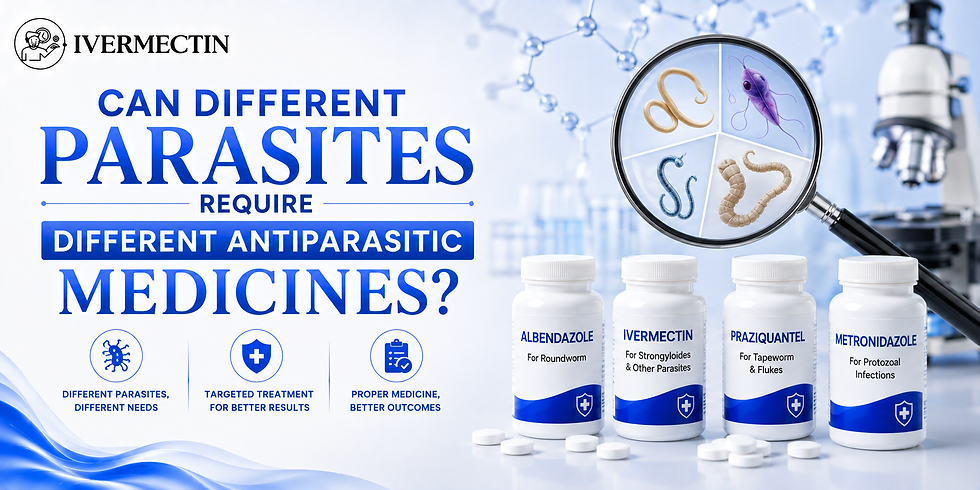
Different infections respond differently to ivermectin.
Below is a general overview.
Medical Condition | Typical Treatment Approach |
Strongyloidiasis | Often treated with one or more doses depending on the patient's condition |
Onchocerciasis | Usually requires repeat treatment at scheduled intervals |
Scabies | Some patients may require a repeat dose after several days depending on clinical evaluation |
Other parasitic infections | Treatment varies according to the specific infection and healthcare provider's recommendation |
Remember that this table provides general educational information only. Your own treatment plan may be different.
Factors That Determine Your Dosage
Your healthcare provider considers several important factors before deciding whether ivermectin should be taken on consecutive days.
Body Weight
Ivermectin dosage is commonly calculated according to body weight.
Patients with different body weights may receive different amounts of medication even when being treated for the same condition.
Type of Infection
Different parasites respond differently to treatment.
Some require only one treatment, while others may need repeat dosing.
Severity of Infection
Patients with more complicated infections sometimes require a different treatment plan than those with mild infections.
Medical History
Certain liver conditions, neurological disorders, or other health concerns may influence how ivermectin is prescribed.
Other Medications
Your healthcare provider will also review any prescription medications, over-the-counter medicines, or dietary supplements you are taking to reduce the risk of drug interactions.
Is It Safe to Take Ivermectin More Often Than Prescribed?
No.
Taking ivermectin more frequently than prescribed is not recommended.
Some patients believe that increasing the dose or taking extra tablets will help the medication work faster.
However, this is not supported by medical evidence and may increase the likelihood of side effects.
Possible risks include:
Increased dizziness
Nausea
Vomiting
Diarrhea
Low blood pressure
Confusion
Coordination problems
Following the prescribed treatment plan offers the best balance between effectiveness and safety.
Common Side Effects
Like most prescription medications, ivermectin can cause side effects, although many people tolerate it well.
Common side effects include:
Headache
Dizziness
Fatigue
Nausea
Mild diarrhea
Abdominal discomfort
In some cases, symptoms may occur because the body's immune system is reacting to dying parasites rather than the medication itself.
Serious side effects are uncommon but require immediate medical attention if they occur.
What If You Miss a Dose?
Missing a dose of ivermectin does not necessarily mean you should take extra medication.
If you forget a scheduled dose:
Read the instructions provided with your prescription.
Contact your healthcare provider or pharmacist if you are unsure what to do.
Resume your treatment only according to professional advice.
Never double your next dose unless your healthcare provider specifically tells you to do so.
Taking additional tablets to make up for a missed dose can increase the likelihood of unwanted side effects without improving treatment effectiveness.
Tips for Taking Ivermectin Safely
Following a few simple precautions can help you get the most benefit from your treatment.
Follow Your Prescription Exactly
Always take ivermectin exactly as your healthcare provider prescribes. Never change the dose or schedule because your symptoms seem better—or worse.
Keep Track of Your Doses
Use a medication reminder, calendar, or smartphone app to avoid missing doses or accidentally taking an extra one.
Tell Your Doctor About Other Medications
Some prescription medicines, over-the-counter drugs, vitamins, and herbal supplements can interact with ivermectin. Always provide your healthcare provider with a complete list of everything you take.
Attend Follow-Up Appointments
Some Parasitic Infections require repeat testing or follow-up visits to confirm that treatment has been successful.
we encourage patients to stay informed about their prescribed medications and to rely on qualified healthcare professionals for individualized medical advice rather than self-adjusting treatment.
Never Share Your Medication
A prescription is written specifically for one person based on their diagnosis, weight, and medical history. Never give your medication to someone else, even if they appear to have similar symptoms.
Can You Stop Taking Ivermectin Early?
Some patients stop taking medication once they begin to feel better. However, stopping treatment earlier than recommended may not completely address the underlying infection.
If your healthcare provider has prescribed more than one dose, complete the treatment exactly as instructed unless you are told otherwise.
If you experience side effects or have concerns about continuing treatment, contact your healthcare provider before making any changes.
When Should You Contact Your Healthcare Provider?
You should contact your healthcare provider if:
Your symptoms do not improve after treatment.
Symptoms return after initially improving.
You accidentally take more medication than prescribed.
You develop severe dizziness or persistent vomiting.
You experience a rash, swelling, or signs of an allergic reaction.
You have questions about when your next dose should be taken.
If you believe you have taken too much ivermectin or experience severe symptoms such as difficulty breathing, confusion, seizures, or loss of consciousness, seek emergency medical care immediately.
"The safest medication schedule isn't the one taken most often—it's the one your healthcare provider prescribes specifically for you."
Conclusion
Whether ivermectin can be taken on consecutive days depends entirely on why it has been prescribed. Some conditions require multiple doses given on consecutive days, while others are effectively treated with a single dose or doses spaced further apart.
The safest approach is always to follow your healthcare provider's instructions and avoid changing your treatment schedule on your own. Every patient's situation is different, and the right dosing plan is based on factors such as the type of infection, body weight, overall health, and medical history.
Take Ivermectin™, our goal is to provide trustworthy, evidence-based information that helps patients better understand their medications and use them responsibly. Explore our educational resources to learn more about Medication Safety , prescription treatments, and common questions about ivermectin.


Frequently Asked Questions (FAQs)
1. Can I take ivermectin two days in a row?
Yes, but only if your healthcare provider specifically prescribes consecutive-day dosing. The correct schedule depends on the condition being treated.
2. Is one dose of ivermectin always enough?
No. Some conditions are treated with a single dose, while others require additional or repeat doses based on medical evaluation.
3. What happens if I accidentally miss a dose?
Follow your prescription instructions or contact your healthcare provider or pharmacist for guidance. Do not double your next dose unless instructed.
4. Can I take extra ivermectin if my symptoms continue?
No. If your symptoms persist or worsen, consult your healthcare provider rather than increasing your dose yourself.
5. Does taking ivermectin more often make it work faster?
No. Taking ivermectin more frequently than prescribed does not improve its effectiveness and may increase the risk of side effects.
6. Where can I learn more about taking ivermectin safely?
You can find additional educational resources at Take Ivermectin™, but always rely on your healthcare provider for personalized medical advice and treatment recommendations.

Comments